
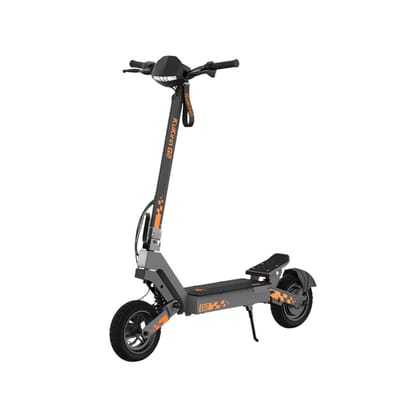
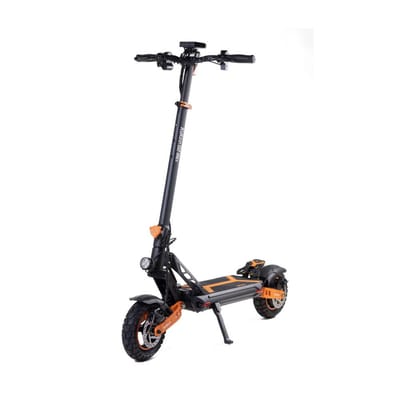
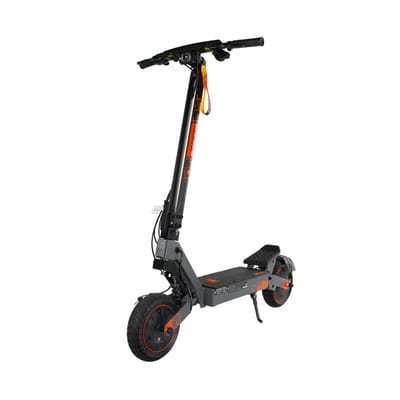
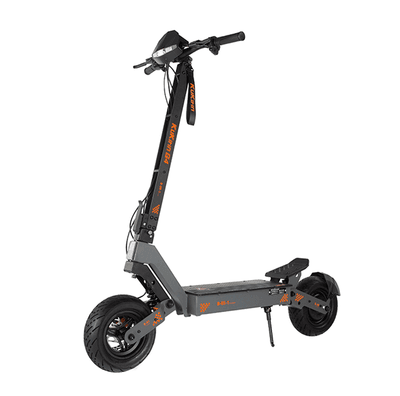
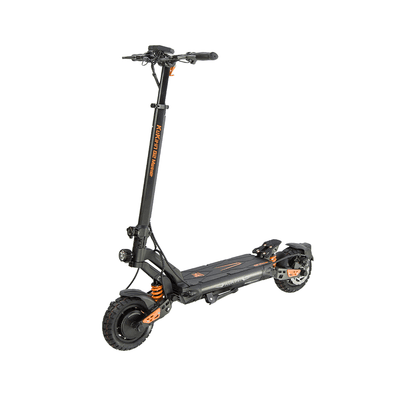
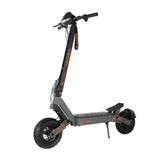
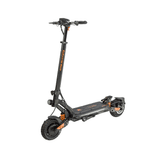

A dual-motor scooter drives both wheels. That changes the acceleration and traction setup, but the extra hardware also affects weight and energy use.
Compare the KuKirin options.
The G2 Ultra uses two 800 W motors. The G2 Master uses two 1,000 W motors. The G3 Pro (coming soon) uses two 1,200 W motors and has a removable battery. These are different complete scooters, not the same chassis with a larger number.
Look beyond motor power.
Compare battery capacity, brake system, suspension, tires and weight. Check the available riding modes in the manual for the exact version.
Choose for your route.
Put dual-motor models on the shortlist when their setup suits your terrain and riding needs. For a simple short trip, also compare a single-motor model before accepting the extra weight.
FROM THE GUIDE TO YOUR RIDE
Compare the models in this guide.
Current prices, rated range and carrying weight. Open a model for the full specifications.
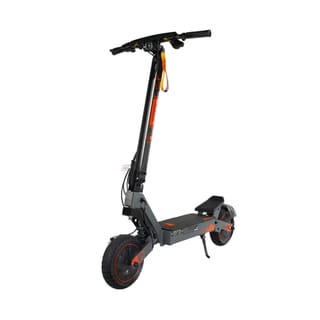
KuKirin G2 Ultra
$849.00 USDMaximum rated range: Up to 34.2 miles
Weight: 68.3 ± 1.1 lb
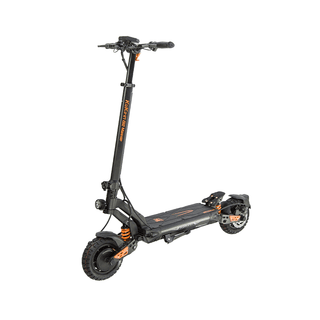
KuKirin G2 Master
$1,049.00 USDMaximum rated range: Up to 43.5 miles
Weight: 73.0 ± 1.1 lb
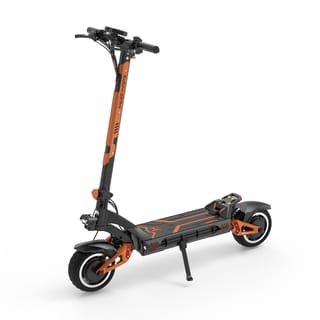
KuKirin G3 Pro
$1,399.00 USDMaximum rated range: Up to 49.7 miles
Weight: 87.3 lb


