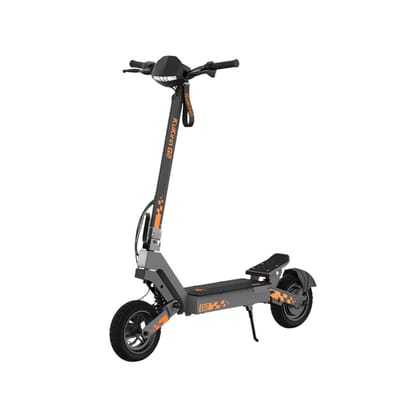
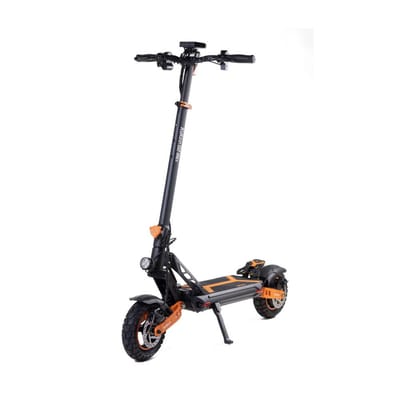
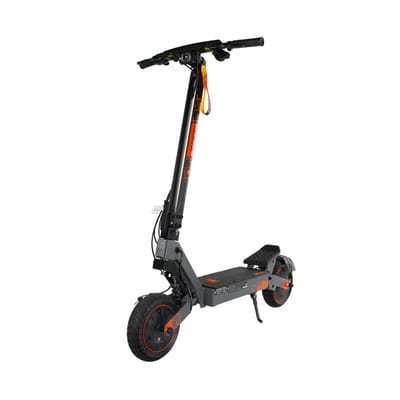
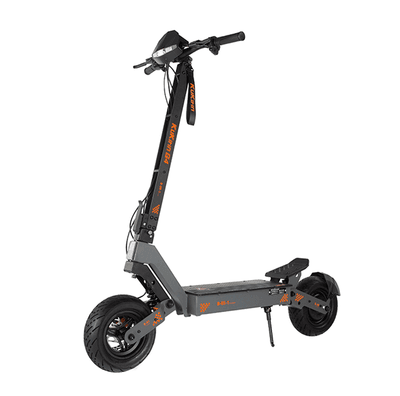
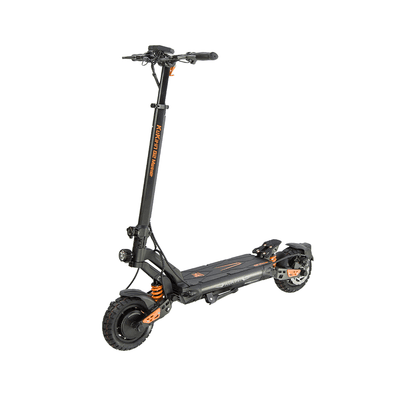
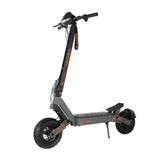
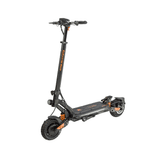
Ownership support built around the exact KuKirin you ride
The Official Kukirin European store is operated by Shenzhen KuKirin Co., Ltd. Our service route helps owners identify a symptom, confirm part compatibility and prepare the evidence needed for warranty or paid-parts support.
Two KuKirin parts can look identical while using different connectors, controller versions, firmware, cable lengths or mounting points. The safest rule is simple: never buy by appearance alone.
What the support desk can help with
- Initial technical triage using photos, video and product details.
- Separating setup or maintenance issues from suspected component faults.
- Checking compatible replacement parts for the exact model and configuration.
- Confirming current part availability, price and dispatch estimate case by case.
- Routing eligible faults through the warranty diagnosis process.
- Explaining what evidence or qualified workshop input is needed next.
The fastest way to request help
Email officialkukirin@icloud.com with one clear subject line, for example: G2 Max – order 1234 – rear brake issue.
- Order: order number and checkout email.
- Identity: exact model, configuration and serial number.
- Overview: a photo of the complete scooter from both sides.
- Detail: close photographs of the affected part, connectors, labels and visible part numbers.
- Behaviour: a short video showing the symptom, when safe.
- History: when it began, what happened before it and what has already been tried.
A compatible part is not promised until identity, compatibility and stock are confirmed.
Where to find the serial number
Check the product labels on the frame or deck area and the original packaging. Photograph the complete label rather than typing only a few characters; model suffixes and production details can change the compatible component. Do not publish serial numbers publicly.
Before ordering a part
- Confirm whether the issue may qualify for warranty diagnosis.
- Do not remove or cut the original connector merely to make another part fit.
- Compare voltage, connector, mounting points, cable routing and visible labels.
- Ask whether calibration, pairing, firmware or controller compatibility is involved.
- Use a qualified repairer for any task beyond your experience or the supplied instructions.
A practical ownership rhythm
Before every ride
- Check tyre condition and pressure.
- Test front and rear braking at walking speed.
- Check the stem, handlebar, folding mechanism and visible fasteners for movement.
- Confirm lights, display and controls work.
- Look for cable damage, fluid, unusual heat, odour or impact damage.
After rough roads, transport or an impact
Recheck wheel alignment, tyre sidewalls, brake discs, steering, folding hardware and cable routing before riding again. A small change after transport can become a large problem at speed.
Regularly
Clean with a damp cloth, not a pressure washer. Keep charging contacts dry. Inspect pads, discs, tyres, valves and fasteners. Follow the product instructions for adjustment and lubrication; do not apply lubricant to braking surfaces.
Longer storage
Store the product dry, away from extreme heat, freezing conditions and direct sun. Follow the supplied battery instructions and periodically check the battery rather than leaving it fully depleted for a long period. Do not charge unattended in an unsuitable area.
Parts that need exact compatibility checks
- Chargers and batteries: voltage, connector, battery-management and model compatibility are critical.
- Controllers and displays: visual similarity does not confirm electrical or firmware compatibility.
- Motors and wheels: axle, cable, tyre, brake and controller requirements must match.
- Brake components: calliper, pad shape, disc diameter, mounting and cable or hydraulic system matter.
- Folding and steering hardware: dimensions and production version must match; installation is safety-critical.
- Body and cosmetic parts: mounting points and cable clearances can differ by generation.
When to stop riding immediately
Stop use if you suspect a loose wheel, steering or folding component; severe brake loss; structural crack; damaged or swollen battery; exposed wiring; smoke; burning smell; unusual heat; or water inside an electrical area. Do not test a serious fault at speed.
Safety-critical work
Brakes, batteries, controllers, wiring, steering, suspension and folding components can create serious risk if installed incorrectly. Never work on a connected or charging battery. Never open a battery pack. Use a qualified repairer when the task, instructions or tools are outside your experience.
Warranty issue or paid part?
If the symptom may be a covered fault, begin with the warranty diagnosis before purchasing or dismantling anything. For damage, wear, loss or a non-covered replacement, the parts desk can check compatibility and current availability. Keeping those two paths separate prevents unnecessary purchases and preserves a clear case history.
One thread from diagnosis to solution
Reply in the same email thread whenever new evidence arrives. That keeps the order, serial number, media, previous steps and part decision together. We aim to reply within one working day, while complex checks may require warehouse or technical confirmation.