Electric Scooter Brakes: Disc, Electronic and Hydraulic

Electric Scooter Brakes: Disc, Electronic and Hydraulic

Brake labels do not tell the whole stopping story

Stopping depends on brake design, tyre grip, surface, total load, speed, temperature, adjustment and rider technique. No brake type removes the need for safe distance.

Mechanical disc brakes

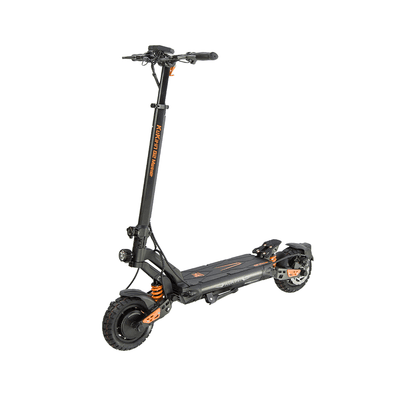
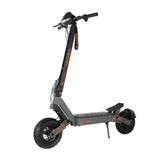
Most current KuKirin scooters use front and rear disc brakes. A cable or mechanical system is relatively straightforward to inspect and service, but pad wear, rotor condition and cable adjustment matter.

Electronic braking

Electronic braking uses the motor system to add deceleration. It can support a mechanical brake but should not be treated as a reason to neglect physical brake components. S1 Max combines an electronic brake with a rear mechanical foot brake.

Oil or hydraulic systems

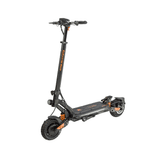
G3 Pro is specified with front and rear oil brakes. X1 uses front and rear hydraulic disc brakes plus electronic braking. These systems can provide strong, controllable braking but require correct fluid, sealing and professional service when leaking or damaged.

Tyres are part of the braking system

Brakes can only use the grip available. Incorrect pressure, worn tread, loose surfaces, rain, cold and contamination all increase risk. Never get lubricant on a brake disc, pad or tyre tread.

Pre-ride check

  • Test lever feel and brake action at walking speed.
  • Inspect pads, rotors, cables or hoses and wheel security.
  • Stop riding for leaks, rubbing that changes suddenly, poor lever pressure, cracks or reduced braking.
  • After service, test progressively in a safe controlled area.

Higher speed requires much more space

Stopping distance grows quickly with speed. Use appropriate protective equipment and never ride faster than visibility, surface, traffic and local law allow.

Back to blog