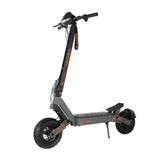
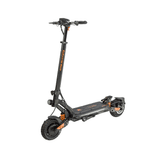
Electric Scooter Winter Riding and Storage Guide
Cold changes range, grip and stopping distance
Winter riding requires more margin. Battery performance falls in cold conditions, tyres provide less grip and wet or icy surfaces increase stopping distance.
Before riding
- Check the forecast, temperature and route surface.
- Inspect tyre pressure or solid-tyre condition and allow extra braking distance.
- Confirm lights and reflectors are clean and working.
- Plan shorter routes with more battery reserve than in mild weather.
Water resistance is limited
An IP rating is a laboratory resistance classification, not waterproofing. Avoid deep water, slush accumulation, pressure washing and charging when the product or charge port is wet.
After a wet or salted ride
Switch off, wipe away moisture and road salt with a damp cloth, dry the product and inspect brakes, connectors, fasteners and moving parts. Do not apply products to brake discs or tyre tread.
Cold-battery charging
Follow the model manual. Do not charge a frozen, wet, damaged or unusually cold battery immediately after bringing it indoors; allow it to reach an appropriate temperature in a dry, ventilated area first.
Long-term storage
Store in a dry, temperate location away from heat, flame and direct sun. Follow the manual for storage charge level and recharge interval. Do not leave the battery fully depleted for long periods.
Know when not to ride
Ice, compacted snow, poor visibility, flooded routes and salt-heavy conditions can make riding unsafe regardless of tyre size or motor power.