
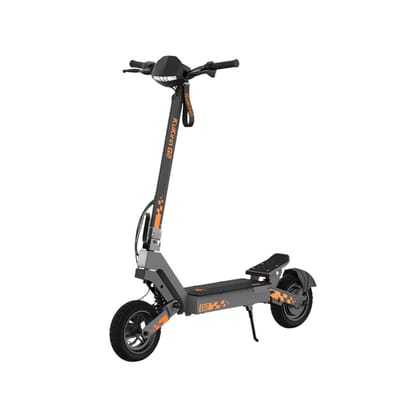
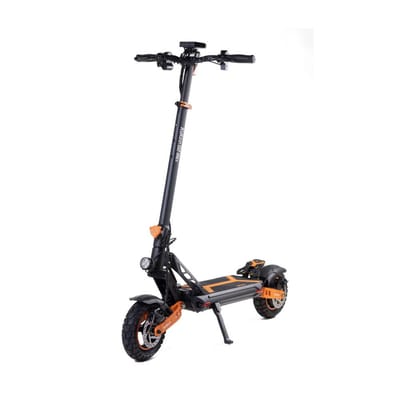
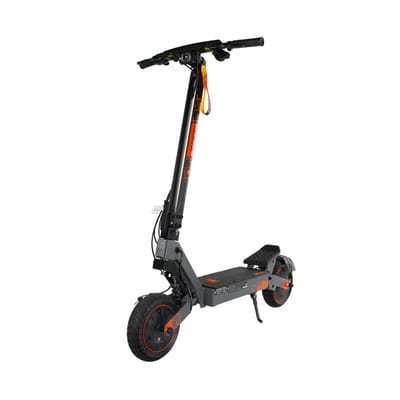
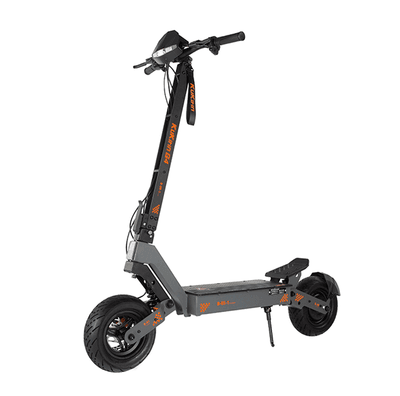
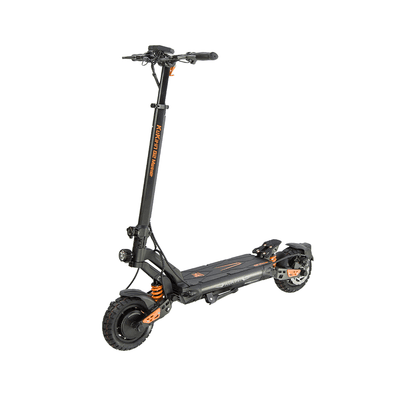

Map the round trip.
Include detours and the return journey. Choose range headroom for hills, colder weather and battery aging. A rated maximum is not a promise for your route.
Count the stairs.
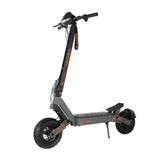
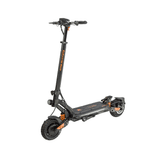
Compare weight and folded dimensions before power. The S1 Max is about 35.3 lb, while the G2 Master is about 73.0 lb. That difference matters every time you lift it.
Compare the ride hardware.
Look at tires, suspension and brakes together. Check whether the battery is removable and where the scooter will charge.
Narrow it to a short list.
Use the model finder, then compare the exact versions. Read the full product page and ask about any configuration detail that matters to you.
FROM THE GUIDE TO YOUR RIDE
Compare the models in this guide.
Current prices, rated range and carrying weight. Open a model for the full specifications.
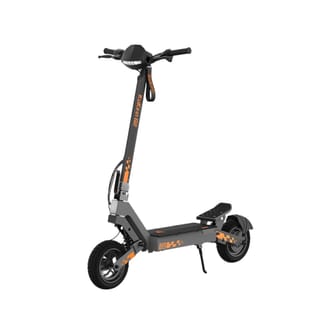
KuKirin G2
$629.00 USDMaximum rated range: Up to 34.2 miles
Weight: 55.8 ± 1.1 lb
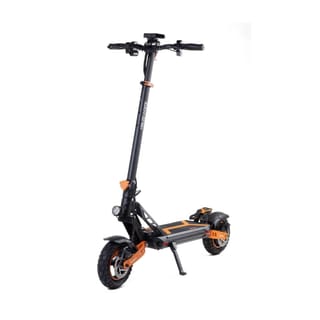
KuKirin G2 Max
$799.00 USDMaximum rated range: Up to 43.5 miles
Weight: 69.7 ± 2.2 lb
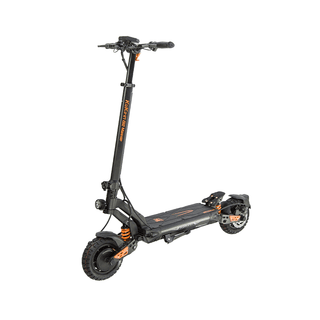
KuKirin G2 Master
$1,049.00 USDMaximum rated range: Up to 43.5 miles
Weight: 73.0 ± 1.1 lb


