
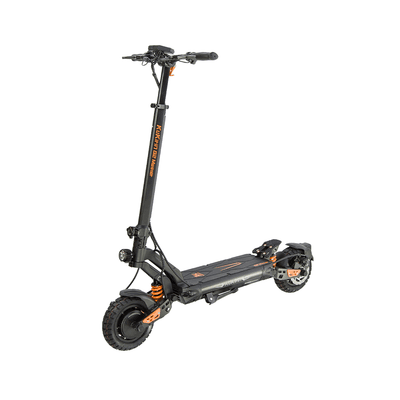
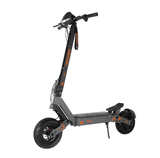
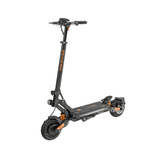

Check the lights before leaving
Switch on the headlight and rear light, then check the brake light and indicators if your model has them. Look from the front and rear: a bag, jacket or accessory should not cover a light or reflector.
Wipe dirty light lenses and reflectors gently. A light that turns on but points away from the road needs attention before you set off. Follow your model's instructions for any adjustment.
Choose the route while you can still see it
Start with a route you know, where riding is permitted and the surface is visible. Avoid planning a first visit to an unfamiliar path after dark. A shorter, better-lit route can make more sense than the direct route.
Leave room to react to people, uneven surfaces and changes in grip. Slow down when visibility falls. Wet leaves, painted markings and metal covers deserve particular attention. If rain or poor visibility makes the route unsuitable, postpone the ride.
Be visible without covering the controls
Wear a correctly fitted helmet and clothing that helps others see you. Keep loose straps away from the wheels. Do not hang decorations or a bag where they can interfere with steering, brakes or lights.
Before adding an accessory, check its mounting position with the handlebar turned both ways. The brake cables and your hands still need room to move.
Plan for the return, too
Check the battery before leaving and allow a reserve. A route with hills, wind or colder weather may use more charge than the same distance in easier conditions. Learn your scooter's behavior on short trips before extending the evening ride.
Plan your range, use the pre-ride checklist or find parts and accessories for your model.


